Standard Single-Side UV Exposure Machine
A no-frills single-side UV vacuum exposure machine for dry film and screen stencils — the unit most small etching and PCB shops start with.
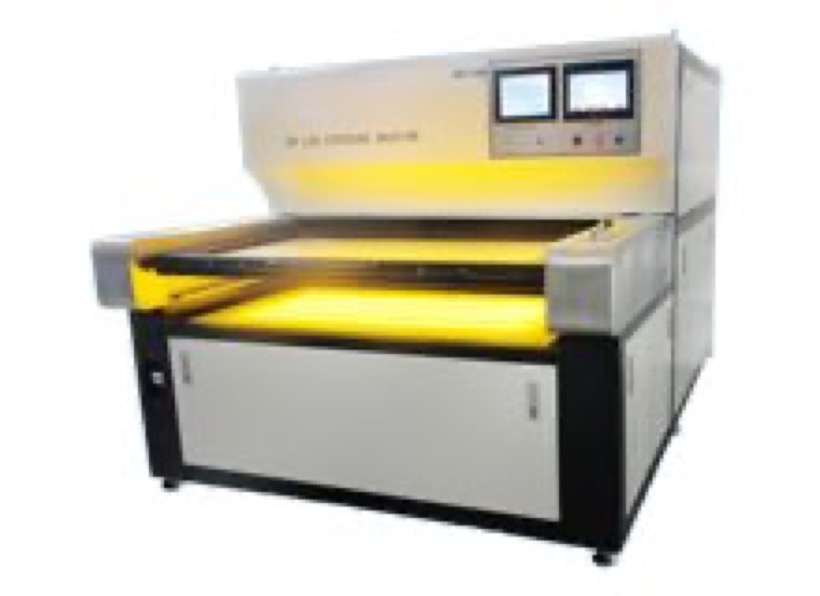
The entry vacuum exposure unit for one-side artwork
The GE-EXP650 is a single-side vacuum exposure machine that presses your film against resist-coated metal or a dry-film panel and exposes it with even UV light. A vacuum frame pulls the film into tight contact so the artwork transfers cleanly down to about 2.0 mil. A light-integrator timer counts actual UV dose rather than seconds, so the exposure stays repeatable as the lamp ages. It is the practical entry unit for nameplate, signage and small PCB work that only needs one side.
- ModelGE-EXP650
- Light sourceUV lamp / metal-halide (UV-LED optional)
- Effective area650 × 900 mm
- Exposure modeSingle side, vacuum contact
- Resolution2.0 mil (≈50 µm)
- TimingLight-integrator + timer
- MaterialDry film, screen stencil, resist
- Max power≤ 2 KW
- Dimensions1200×1100×1200 mm
Simple, repeatable, single-side
Vacuum contact
Tight film-to-resist contact, sharp edges.
Light integrator
Doses by UV energy, not seconds.
2.0 mil resolution
Clean fine lines for signs and PCB.
Low power ≤ 2KW
Light footprint, single-phase friendly.
Easy to run
One operator, short training.
Resist or dry film
Handles stencils and dry-film panels.
Standard Single-Side UV Exposure Machine — common questions
It exposes artwork onto one side of a resist-coated sheet or a dry-film panel — typical for nameplates, signage, dials and single-sided PCB or screen-printing stencils.
The vacuum pulls air out between film and resist so they touch tightly across the whole panel; without it the light spreads under the film edges and fine lines blur.
Yes — a UV-LED cold-light head is optional. LED is instant-on, saves energy and lasts 20,000+ hours; see the GE-LED1200 LED single-side model.
About 2.0 mil (≈50µm) with good film contact — enough for most nameplate and single-sided board work. For finer or double-sided registration, step up to the CCD-alignment models.